 CNF Sports Pro
Asian Cup Delay Puts Socceroos and Coach Tony Popovic in a Dilemma
3 November 2026
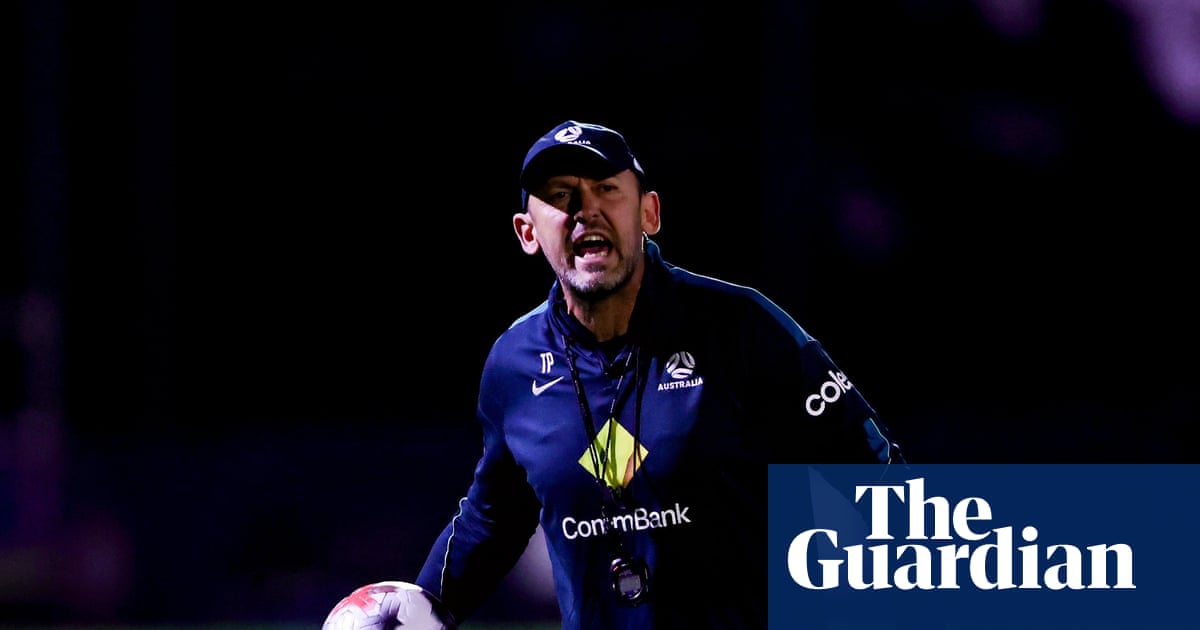
The postponement of the Asian Cup in Saudi Arabia raises immediate questions about the future for Socceroos coach Tony Popovic. While the delay until December 2027 was expected, the timing of Tuesday's announcement was a surprise, coming much earlier than the late November window hinted at by the AFC. With ongoing Houthi attacks across the region, it was perhaps inevitable that the tournament would be pushed back.
This delay leaves the Socceroos, Popovic, and Football Australia at a critical juncture. The tournament was one the Socceroos aimed to win, with Japan considered the frontrunners. Despite Japan's underwhelming performances since their 2011 triumph, Australia has established itself as a formidable force, especially after their recent World Cup showing, where they were one of only two Asian teams to reach the knockout stage. With rivals like Qatar, South Korea, and Iran facing their own challenges, January seemed like a prime opportunity for Australia to contend.
Popovic was set to lead a squad filled with youthful energy and bolstered by valuable World Cup experience. They were coming off a strong October window, having faced Brazil twice, and had lined up preparation matches against 2023 Asian Cup finalists Qatar and Jordan in November.
Even with fitness doubts surrounding players like Mohamed Touré and Jordy Bos, the Socceroos were poised to chase their second Asian title. But it’s not all doom and gloom. The extra year could turn out to be beneficial, allowing the tournament to feel less like an afterthought following the World Cup. This postponement also gives the Socceroos a chance to evolve and improve by next Christmas.
With nearly a year ahead, there's plenty of room for growth—not just for the team but for emerging stars like Nestory Irankunda, Paul Okon-Engstler, Alessandro Circati, and Lucas Herrington. Their recent transitions to some of Europe's elite leagues could accelerate their development. Plus, this time allows injured players like Bos, Touré, and Lewis Miller to recover and gives other young talents more opportunities to shine.
Yet, the more pressing question is what this means for Popovic. With the November window now likely his last as the Socceroos’ head coach, his contract—extended before the World Cup—was designed to last until the end of the Asian Cup. This sudden change leaves both him and Football Australia facing an unexpected challenge.
Popovic’s contract was crafted with the intention of only taking him through the continental tournament, a decision he pushed for. Meanwhile, similar uncertainties loom for Graham Arnold with Iraq, and Japan has already indicated a coaching change with Hajime Moriyasu set to be replaced.
Could extending Popovic’s deal until January 21, 2028, be the next move? Given the federation’s previous enthusiasm for him, it seems likely he could secure a longer-term commitment if he wishes. But does he want that?
Popovic may have his reasons for preferring not to be tied down long-term. As a passionate coach, he might be eyeing a return to club football. His reputation is at a high point after leading the Socceroos to the World Cup knockout stage, especially following commendable performances against Brazil and praise from Carlo Ancelotti. If he seeks a new challenge, he certainly deserves one.
But what if he chooses to stay, only to leave after another year? Kevin Muscat seems like a natural successor, especially since he will be a free agent after his time in the Chinese Super League ends. If Popovic departs, he should definitely be considered for the role, but would he or another candidate be willing to wait a year, especially with World Cup qualification starting in September? Football Australia may face a scramble come 2028 if they don’t navigate this situation wisely.
Much like the broader landscape of Australian football, the Asian Cup's postponement presents both a potential opportunity and a considerable challenge.