 CNF Sports Pro
Is Michael Carrick Fighting a Losing Battle at Man Utd?
28 October 2026
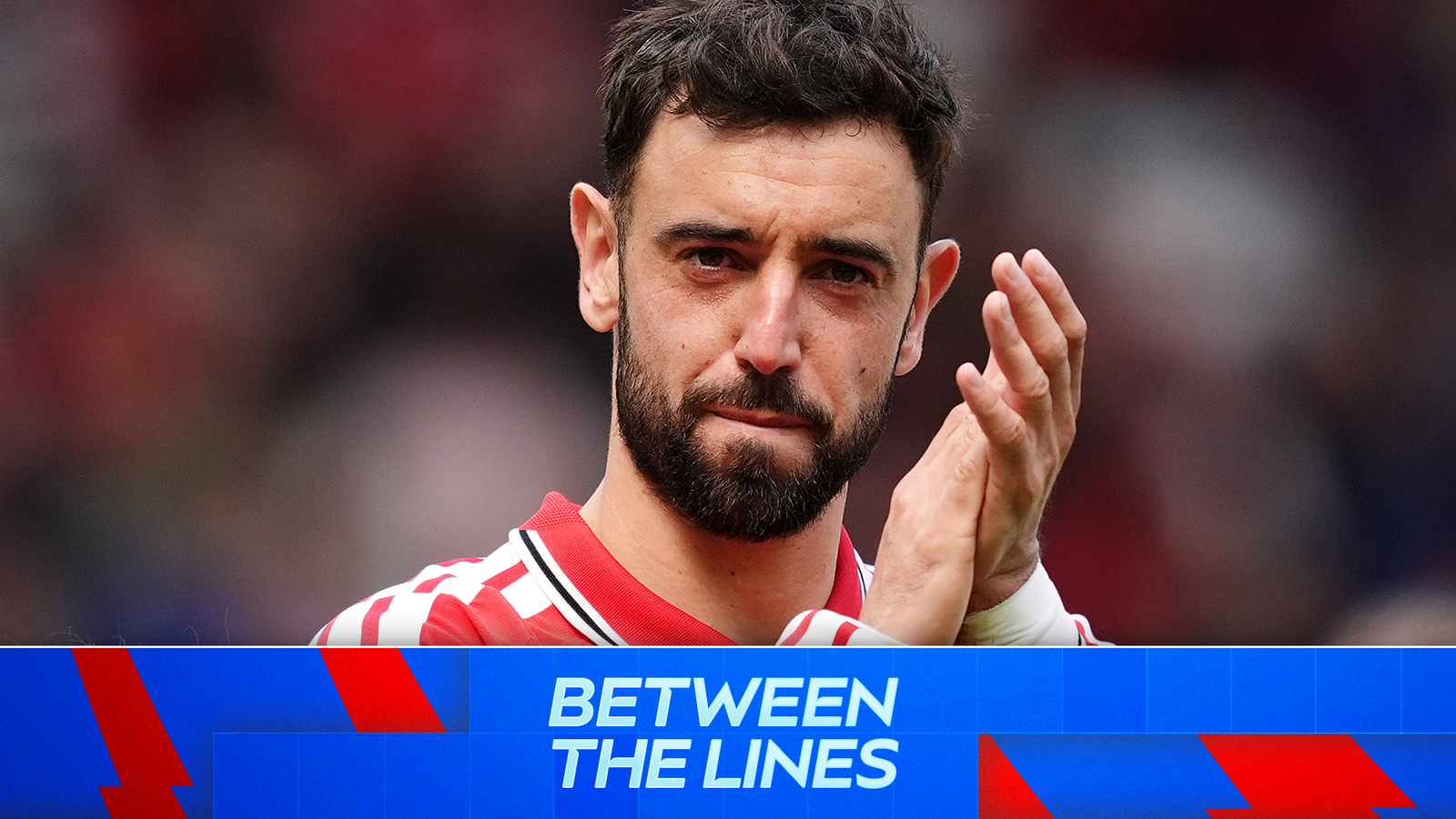
Michael Carrick finds himself in hot water at Manchester United after a disappointing start to the season. Following a crushing 3-0 defeat to Bournemouth, the club considered making yet another managerial change—this would be their fourth in four years.
As the eighth permanent manager since Sir Alex Ferguson's departure in 2013, Carrick is under intense scrutiny. But is it fair to place the blame solely on him? What if United's struggles stem from a far deeper issue, revealing them as more of a mid-table team rather than an underperforming elite side?
The narrative around United's previous managers has often been one of failure, yet research indicates they have generally exceeded expectations in terms of points earned. Over the past decade, they have amassed 669 points, ranking fifth in the Premier League, while their expected points tally sits at just 613. This indicates they have gained 56 points more than anticipated based on their performances.
Only Everton has surpassed their expected points by a larger margin during this period. Such overperformance can be attributed to various factors—clinical finishing, effective goalkeeping, and even a bit of luck. However, this trend raises serious questions about the team's true capabilities.
In terms of performance, Carrick stands out as the biggest overachiever among recent United managers, averaging 1.85 points per game against an expected 1.37. While he has struggled this season, his previous campaign saw him guide the team to a surprise third-place finish with 71 points, well above the expected 61.
Yet, those impressive results might have masked the reality of their on-pitch performances. Last season marked the eighth time in ten years that United finished higher than their performances warranted. Fans longing for a return to glory may have to confront the unsettling truth: the underlying statistics suggest a mid-table squad.
From the 2021/22 to 2025/26 seasons, United's average expected finishing position was ninth. In the 2023/24 season, when they finished eighth under Erik ten Hag, the numbers indicated they should have ended much lower, in 14th place.
This persistent underwhelming performance raises alarms about the club's squad quality, especially considering their net spending has been 40% higher than any other team since 2016, totaling £1.4 billion. Remarkably, United's net spend has outpaced their expected points rank in eight of the last ten seasons, highlighting a concerning trend.
Gary Neville, the former United star, emphasized the importance of accountability in recruitment. "The reason people are there in the dressing room is because someone recommended them," he said on his podcast after the Bournemouth loss.
He pointed out that Carrick isn’t responsible for player selection, urging a focus on the club's head of recruitment and sporting director. Currently, those roles are held by Christopher Vivell and Jason Wilcox, the latter facing criticism from defender Lisandro Martinez after a recent setback in the Champions League.
Since Wilcox’s arrival in April 2024, the club's transfer market success has been limited, with big-money signings like Manuel Ugarte and Matthijs De Ligt failing to make an impact. The problems extend beyond recent acquisitions; expensive players such as Rasmus Hojlund and Jadon Sancho were brought in before Wilcox and Vivell took over.
As a result, the squad's overall worth has plummeted. According to Transfermarkt, only Tottenham has a higher negative difference between what they spent on their squad and its current value in the Premier League. While many clubs have increased their asset value, United stands among just six that have seen the opposite trend.
Unless the club addresses its long-standing recruitment issues, the cycle of managerial turnover is likely to continue. The challenges run deeper than just the man in charge.