 CNF Sports Pro
Manchester United's Managerial Curse: Carrick Joins the List of Fallen Leaders
27 October 2026
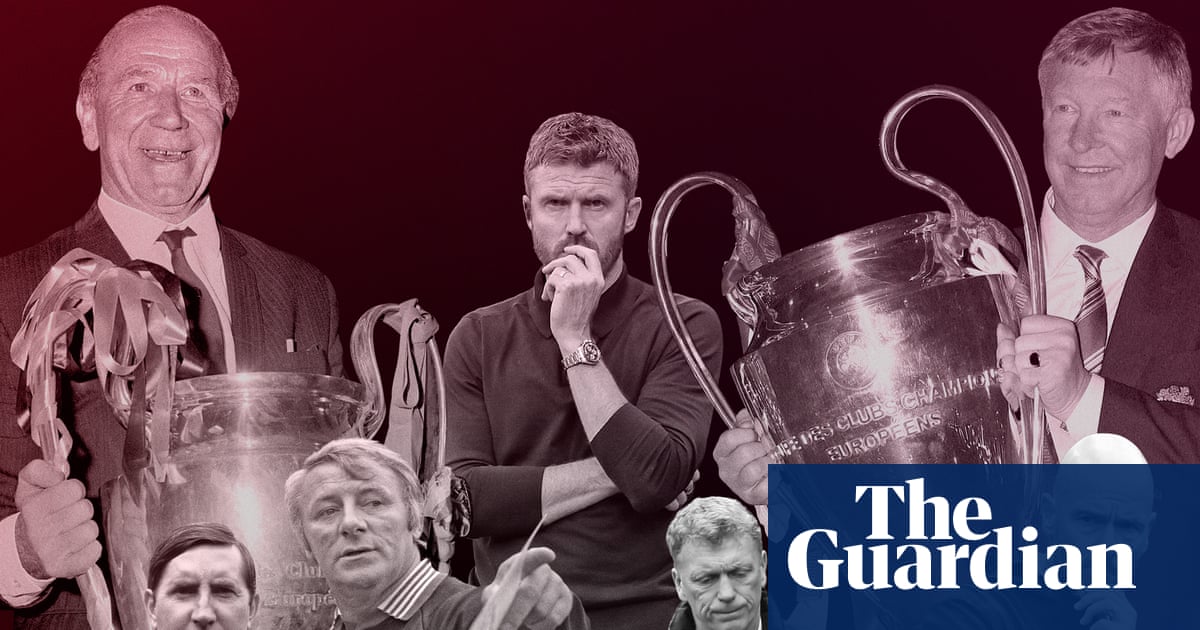
When it comes to Manchester United, the narrative of greatness often revolves around two legendary figures: Matt Busby and Sir Alex Ferguson. These two Scotsmen reshaped the club and left an indelible mark, yet since their reigns, the managerial role has become a graveyard of failures, with Michael Carrick now the latest to face the daunting task of reviving a club in decline.
Busby and Ferguson were not just managers; they were the very essence of Manchester United, their charisma and authority inspiring players and fans alike. In stark contrast, Carrick, despite being a club insider, appears to be trapped in a cycle of isolation and disappointment, much like those who came before him. The recent comments from players like Bruno Fernandes and Lisandro Martínez during interviews reflect a troubling trend that seems to follow in the club's tradition of internal strife and discontent.
United's storied past is littered with the names of managers who have succumbed to the pressures of living up to the legacy left by Busby and Ferguson. Each departure has been marred by infighting, with elements of favoritism and entitlement often playing a role. The haunting echoes of Michael Crick and David Smith's book about the betrayals within the club ring true as Carrick finds himself navigating this treacherous landscape.
Fans of the Red Devils are all too familiar with this history. Brian Kidd’s famous outburst when Wilf McGuinness was dismissed in 1970 showcases the loyalty that once existed among players, a loyalty that seems to have evaporated over the decades. The dramatic sacking of Frank O’Farrell after a humiliating defeat at Selhurst Park in 1972 highlights just how quickly fortunes can turn at Old Trafford.
Tommy Docherty’s dismissal in 1977 due to personal scandals and Dave Sexton’s ousting in 1981 despite a winning streak illustrate the precarious nature of the job. Even Ron Atkinson, who seemed untouchable, was unceremoniously sacked in 1986, leaving behind a party atmosphere instead of a legacy.
The weight of history has often been a burden for those who have taken the reins after Ferguson. O’Farrell once described the atmosphere around Old Trafford as a “fantasy world,” filled with former players who held on to the myth of Busby, complicating the task for any successor. The indulgence of stars like George Best also posed challenges that proved too difficult for many managers, leading to rifts that have echoed through the ages.
Ferguson himself casts a long shadow over the club, being synonymous with its modern identity. His controversial support of Malcolm Glazer’s takeover in 2005 is a mixed legacy, one that continues to affect how new managers are perceived and operate. Despite his retirement, Ferguson’s influence remains palpable, often steering conversations and decisions from behind the scenes.
During Carrick’s recent press conference, he alluded to discussions with Ferguson, a reminder of the difficult balancing act faced by his successors. The decision to bench Fernandes for a crucial match was emblematic of the political maneuvering that still defines the club.
Trying to replicate Ferguson’s style is a daunting if not impossible task. Carrick, who served as an assistant to Ole Gunnar Solskjær, may have learned the hard lessons of that era, where sentimentality clashed with the harsh realities of modern football. Solskjær’s attempt to embody Ferguson’s spirit fell flat, leaving behind a legacy of confusion rather than clarity.
Even the more assertive managers like Louis van Gaal and José Mourinho struggled to meet the club’s expectations for attacking football. Their tenures, now seen in a somewhat more favorable light, were still marred by the same issues that have plagued the club for decades. The secretive nature of Mourinho’s hiring process, along with Van Gaal’s abrupt dismissal, further illustrates the chaos that has become synonymous with United’s management.
Mourinho has since tried to reshape his narrative, suggesting that had he arrived in 2013, things might have turned out differently. Such claims, however, do little to absolve the messy realities that have characterized United’s managerial changes post-Ferguson.
As Carrick steps into this tumultuous environment, he joins a long line of managers who have faced the impossible task of reviving a fading giant. The expectations of the fans, the weight of history, and the internal politics will continue to challenge him as they have for so many before.