 CNF Sports Pro
South Korea's Football Crisis: Tensions Rise as Son's Leadership is Questioned
30 October 2026
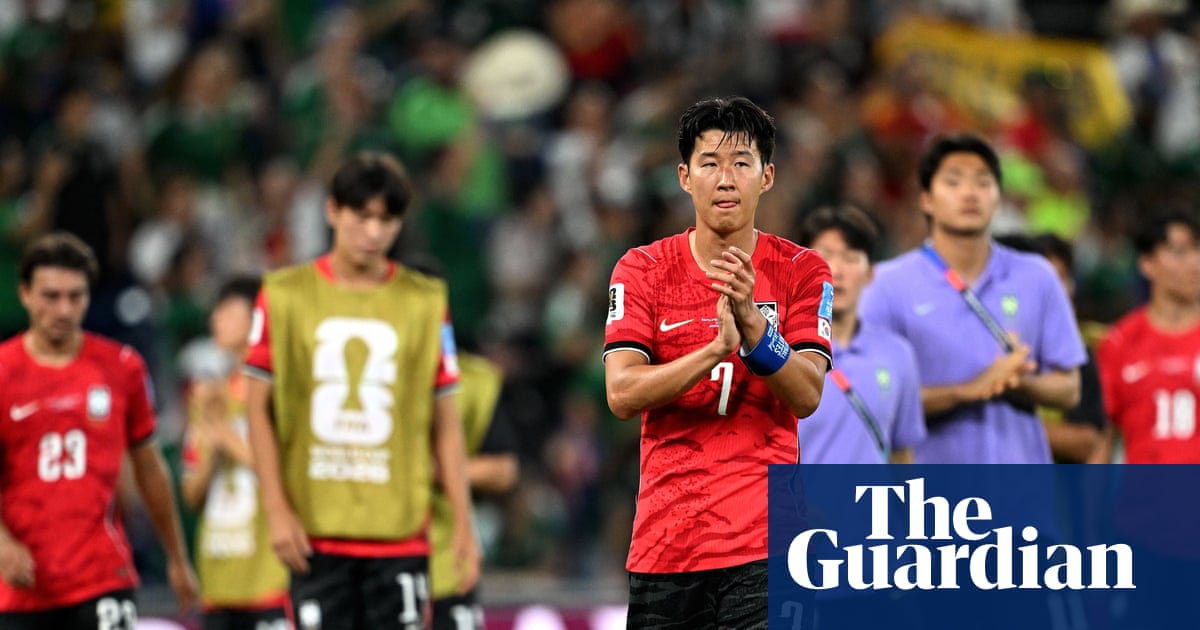
Following a disastrous World Cup campaign, South Korea's football team finds itself in turmoil. The rift between younger and older players is palpable, and questions are swirling around the captaincy of Son Heung-min.
Son, alongside Cristiano Ronaldo, has long been regarded as an iconic No. 7 in football, boasting a remarkable career in the Premier League and international circles. Yet now, he faces the unexpected challenge of being viewed as a divisive figure within his own national squad.
During a recent parliamentary meeting on October 21, politician Jeong Yeon-wook brought the issue to light, questioning acting Korea Football Association (KFA) president Lee Yong-soo about players referring to Son merely as ‘No 7’ or ‘that person’. Lee confirmed this troubling detail, suggesting a breakdown in team unity.
It’s hard to imagine how things deteriorated so quickly. Just 18 months ago, Son was triumphantly lifting the Europa League trophy as captain of Tottenham Hotspur. After a decade in the English top flight, he moved to Los Angeles FC, aiming to prepare for the 2026 World Cup.
However, the World Cup turned into a nightmare with a group-stage exit and a media boycott following derogatory comments about Son's military service. He even found himself benched for the final game, a humiliating defeat against South Africa. The fallout led to the resignations of coach Hong Myung-bo and KFA president Chung Mong-gyu, followed by police raids on KFA offices. It’s been a summer to forget for South Korean football.
Tensions between age groups within teams aren’t new, but the situation in Korea is particularly intricate. A simple year in age can change how players interact, with respect often dictated by seniority. This was something Guus Hiddink recognized back in 2001, implementing measures to bridge the gap between veterans and younger players.
Currently, the discord is more pronounced. An incident at the 2024 Asian Cup, where Son injured his finger during a dispute over table tennis with rising star Lee Kang-in, highlighted the underlying issues. While Son and Lee reconciled, deeper divisions remain. Reports indicate that senior players like Kim Min-jae, Hwang In-beom, and Hwang Hee-chan are dissatisfied with the team’s leadership and have called for a change following the World Cup.
With Robert Moreno stepping in as interim coach until the end of November, and no KFA president in place, South Korean football is in limbo. The Asian Cup is just around the corner, a tournament the Taeguk Warriors haven’t won since 1960.
“I’m exhausted, both physically and mentally,” said Hwang In-beom after a 0-0 draw with Venezuela on October 2. “In my nine years with the national team, I’ve seen many areas needing change, yet nothing seems to improve.” Meanwhile, Kim Min-jae expressed frustration over teammates not pulling their weight, saying, “We need to fight together, but we didn’t.”
As the international window closed, rumors swirled that some players were ready to leave the national team, only to be convinced otherwise by a KFA official—a claim the association did not deny.
Fans are growing increasingly frustrated with the lack of clear communication regarding these internal issues. While Son remains a beloved figure in South Korea, his rapport with the media has soured compared to his teammates. Some speculate these tensions may stem from resentment over the media boycott during the World Cup.
Despite his enduring popularity, Son, now 34, is no longer the elite forward he once was. While he still shines occasionally, such as scoring his 59th international goal against Uzbekistan, debates are emerging about his position on the team—whether it’s time to reconsider his starting role.
Unlike Ronaldo, Son seems unlikely to cling to his position or issue lengthy statements about his future. The 2030 World Cup feels distant, but a successful campaign in the upcoming Asian Cup, starting January 7, could cement his legacy. However, the tournament's potential delay due to external factors might offer a chance for the team to unite, or it could exacerbate their existing problems.