 CNF Sports Pro
NWSL's Rodman Rule Gets a Makeover: A New Era for Player Stability
29 October 2026
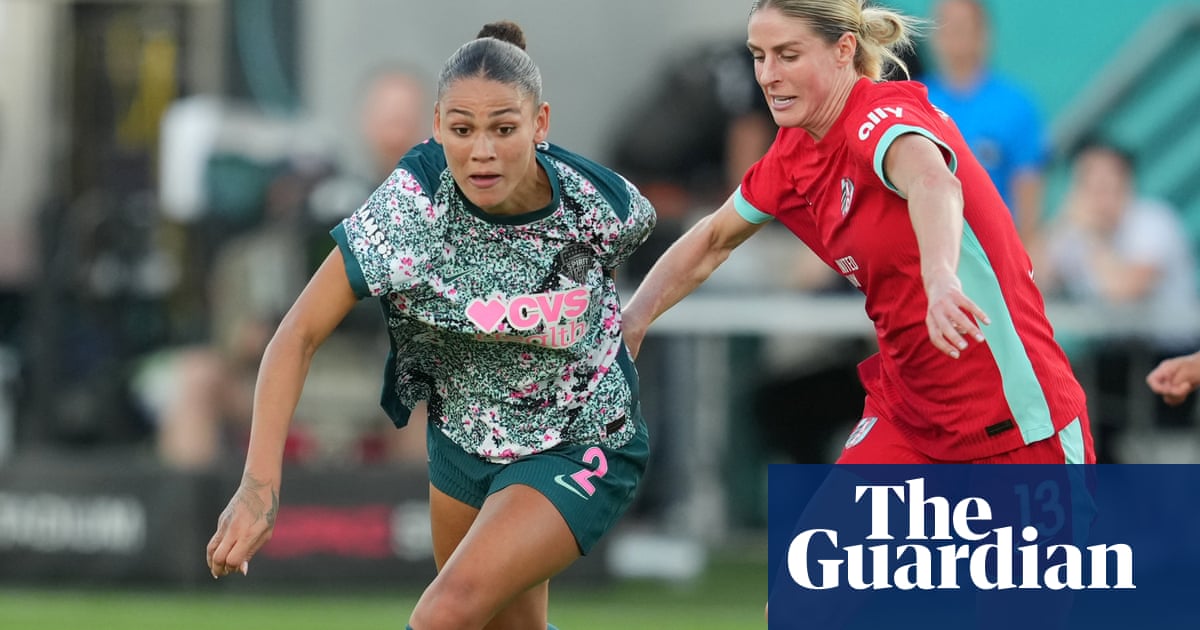
The NWSL is shaking things up with a fresh approach to the High Impact Player rule, ditching the eight specific criteria that previously governed which players could command extra funds. This newfound flexibility means clubs can now allocate their financial resources to any player they desire, and it’s a decision that resonates well with many.
This Sunday in D.C., as the Washington Spirit face the Chicago Red Stars, fans can expect a packed house at the 'Rowdy Audi' stadium. And if the Spirit secure a vital win on Decision Day, their post-season matches will likely see similar attendance. With a prime location, passionate supporters, and a roster boasting players who once qualified under the old HIP criteria—like Trinity Rodman, the rule's namesake—the Spirit are well-positioned in the league.
Starting next season, however, the Rodman Rule will extend to every player in the NWSL, thanks to a recent settlement between the league and the Players Association. The grievance centered around the original criteria, which were deemed a violation of federal labor laws.
Last winter, when the HIP rule was first introduced, many viewed it as a hasty attempt to retain Rodman and prevent her from heading overseas to a club like Michele Kang’s London City Lionesses. The rule was designed to provide teams with extra financial support for players who met certain globally recognized benchmarks—criteria that, admittedly, skewed heavily towards international fame.
To qualify, players had to fit into one of eight categories, including being on various prestigious lists or receiving top accolades like the NWSL MVP award. This narrow focus drew criticism, with many advocates calling for a straightforward salary cap increase instead.
While increasing the salary cap might seem like the simple solution, maintaining competitiveness in a global football landscape is complex. The NWSL grapples with the threat of European giants like Chelsea and Barcelona, who can easily lure away American stars with financial incentives.
Look at the recent Ballon d’Or results: Barcelona’s women swept the awards, though Alexia Putellas, a key player, now dons the colors of a London club. This highlights the challenges faced by players in leagues that are still developing compared to European superpowers.
Interestingly, the original HIP rule seemed to flirt with creating a super-team in the U.S. By offering additional funds without a limit on how many qualifying players could access them, it opened the door for teams like Washington to build a roster that could challenge the financial might of European clubs.
Now, with the revised rule, teams that meet the 2027 salary cap of $4.4 million can spend an extra $1.257 million on any player, no longer restricted by previous stipulations. This is a significant win for players who didn’t meet the old criteria, such as Ashley Sanchez and those with injuries like Catarina Macario.
This change not only empowers teams to select players based on their own evaluations but also allows financially strapped clubs a chance to compete with those boasting star-studded lineups. However, the essence of the original HIP criteria still holds weight. The NWSL must strive to enhance its media presence, market its stars effectively, and maintain its appeal as a premier destination for talent ahead of global tournaments.
In the end, while the revised Rodman Rule opens new doors, the challenge of keeping U.S. talent in the league remains. The balance between nurturing domestic talent and competing on a global stage is a tightrope that the NWSL continues to walk.